Level II International Master’s Programme: applications closed on 17th August 2026
Biodiversity Governance: Nature 2000 Expert (BIOGOV)
Academic Year: 2026-2027
Duration: 12 months
Total ECTs: 60
Issued by the University of Tuscia (UNITUS), Department of Ecological and Biological Sciences (DEB), in partnership with the Carabinieri Command for Forestry, Environmental and Agri-food Protection Units (CUFAA).
Applications are now open! Find below the link to the call for applications and the annexes
Deadline: 17 August 2026 at 12:00 (UTC+2)
BIOGOV is an international postgraduate master’s programme developed jointly by the University of Tuscia (UNITUS) and the Carabinieri’s CUFA, focusing on biodiversity governance, conservation and ecological restoration within a European and global context, in line with the United Nations 2030 Agenda and the Nature Restoration Act. The programme trains 20 highly qualified professionals from across Europe to work in Natura 2000 sites, addressing key issues such as the management of protected areas, the monitoring and restoration of biodiversity, conservation measures, policies and stakeholder engagement, as well as environmental education. It provides advanced scientific knowledge and practical skills in ecological processes, sustainable resource management, biodiversity monitoring and modern analytical techniques, preparing graduates to contribute effectively to the governance of Natura 2000 sites and other protected areas.
Monitoring, conservation and restoration of European biodiversity
Learn monitoring, conservation, and ecological restoration techniques to address biodiversity challenges and support effective governance of protected areas.
FREE MASTER'S COURSE
The BIOGOV Master’s programme is fully funded under the EU’s LIFE programme, ‘TraiN2K’. Applications are currently open.
DELIVERY FORMAT
BIOGOV adopts a blended learning which combines online learningcon in-person practical fieldwork in protected areas.
WHO CAN APPLY?
LEARNING OBJECTIVES
The BIOGOV Master’s programme aims to provide advanced interdisciplinary training in biodiversity governance, ecological restoration, environmental monitoring, conservation biology and the sustainable management of natural resources. The programme trains 20 highly qualified professionals capable of working within international programmes on environmental governance, protected area management, ecological transition policies and biodiversity conservation initiatives. Graduates will acquire advanced skills in the following areas:
- biodiversity monitoring and ecosystem assessment;
- restoration ecology and landscape planning;
- environmental governance and protected area management;
- international biodiversity conventions and Natura 2000 policies;
- stakeholder engagement and communication between science and policy;
- prevention of environmental crime and environmental peacekeeping.
Programme Structure and Courses Format
The BIOGOV programme is structured into six thematic formative online modules delivered through blended learning methodologies and complemented by field activities to be carried out during a period of 2 months (May-June 2027) in Italy’s State Natural Reserves managed by Carabinieri Forestali Biodiversity Group.
- Module 1 – Evolutionary Biology and Biodiversity Patterns and Processes
Introduction to the evolutionary and ecological processes shaping biodiversity, including biogeography, natural history, species diversification, and ecosystem dynamics across different spatial and temporal scales.
- Module 2 – Biodiversity Loss and Ecosystem Degradation
Analysis of the main pressures and threats affecting terrestrial, freshwater, and marine ecosystems, including climate change, land-use change, wildfires, tourism pressure, and unsustainable resource exploitation. The module also addresses disturbance ecology, mechanisms of biodiversity loss, species responses to environmental stress, and IUCN Red List assessment frameworks.
- Module 3 – Monitoring for Biodiversity Conservation and Restoration
Training in advanced tools and methodologies for biodiversity monitoring and ecological restoration, including remote sensing, vegetation surveys, biomonitoring, eDNA analysis, ecotoxicology, and marine monitoring.
- Module 4 – Environmental Crimes
Overview of environmental crimes and illegal exploitation of natural resources at local and global scales, with a focus on environmental law enforcement for protected areas and environmental peacekeeping strategies.
- Module 5 – Landscape Planning, Restoration Ecology, and Sustainable Resource Management
Ecological and landscape planning principles for biodiversity conservation, protected-area governance, ecological restoration, rewilding, and the sustainable management of natural resources to enhance ecosystem resilience and long-term sustainability.
- Module 6 – International Biodiversity Governance and Environmental Policies
International biodiversity governance frameworks and conservation policies, including UNESCO programmes, Natura 2000, CITES, the Convention on Biological Diversity, and the Kunming–Montreal Global Biodiversity Framework. The module also covers stakeholder engagement, citizen science, science-policy communication, and key European environmental strategies such as the European Green Deal, the Nature Restoration Law, Farm to Fork Strategy, and circular economy policies.
On-field training (2 months)
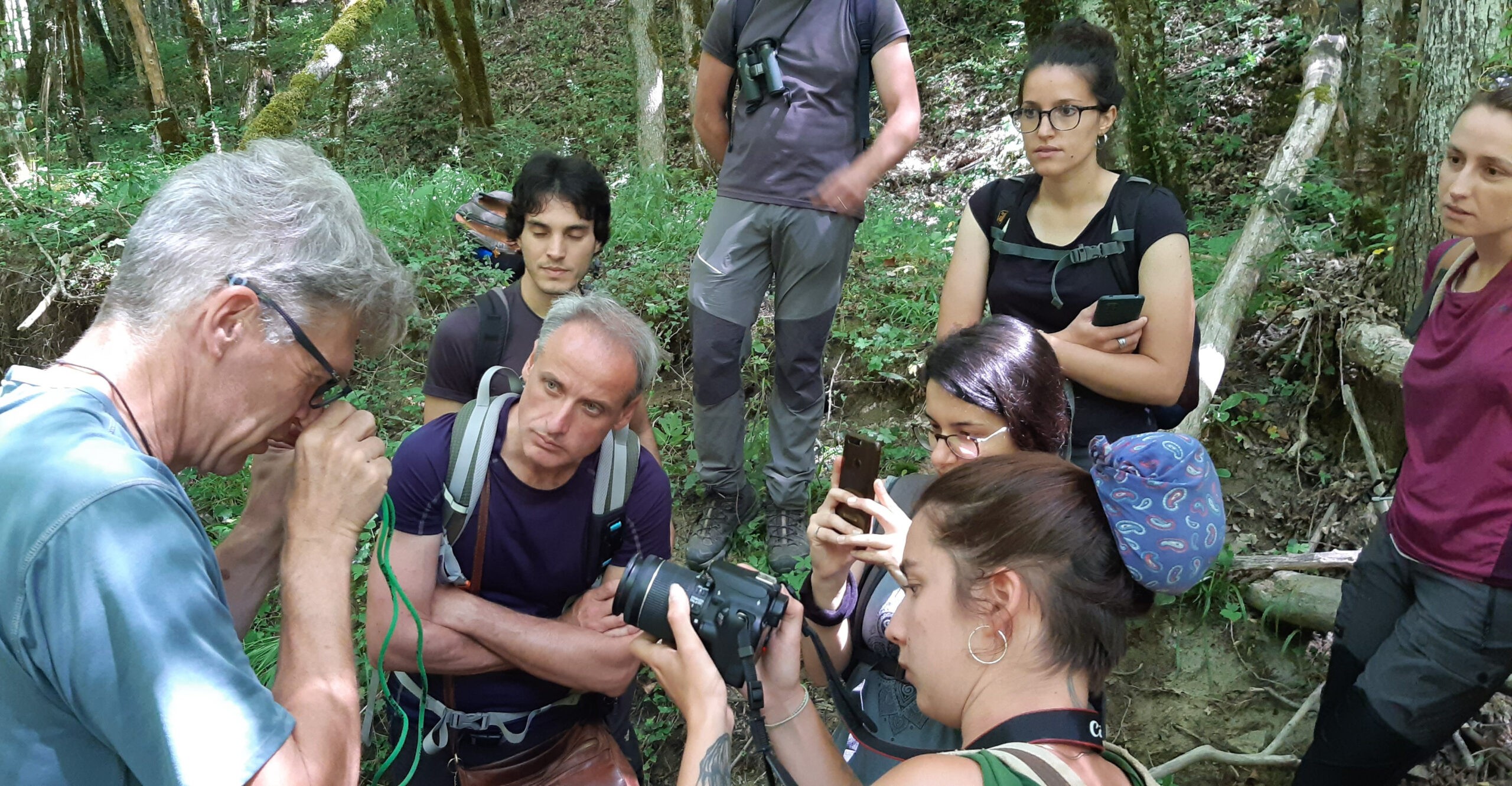
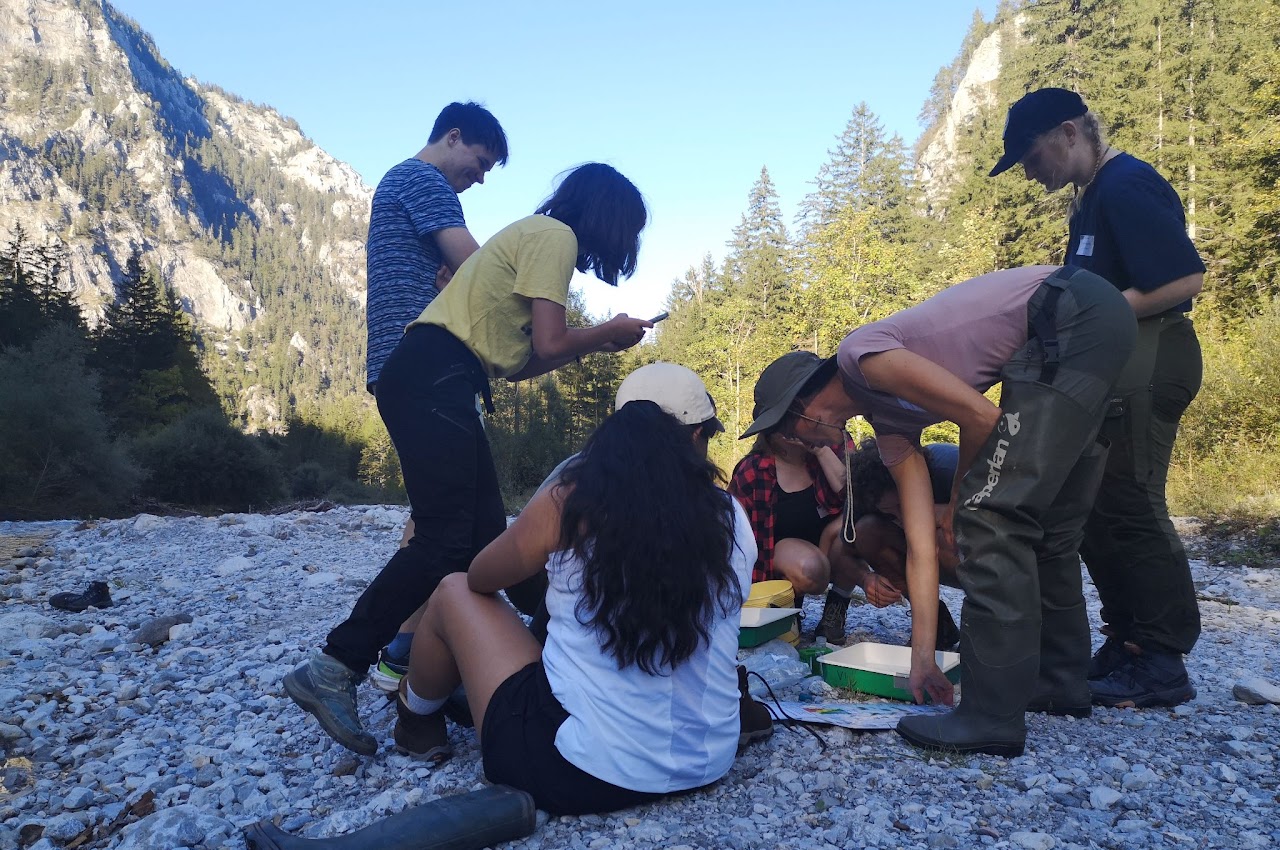
The BIOGOV Master includes a two-month intensive on-field training programme conducted in Italian State Nature Reserves in presence lessons at the Carabinieri Forestali and at the CUFAA Centre of Excellence for Environmental Protection (CoEEP) in Sabaudia (Italy). Field activities provide hands-on experience in biodiversity monitoring, ecological restoration, habitat assessment, protected-area governance, and environmental management. Students will apply advanced monitoring techniques and participate in case studies, field surveys, ecosystem assessment activities, and stakeholder-oriented conservation practices.
Final exam
The final examination consists of the preparation and public defence of an individual project focused on a biodiversity governance, conservation, or restoration case study. The final work aims to assess the student’s ability to integrate the scientific knowledge and practical competences acquired throughout the programme in order to identify environmental pressures and threats, develop conservation and restoration strategies, and propose effective management indicators for protected areas and Natura 2000 sites. The project may also include digital communication outputs or multimedia materials designed to support the dissemination of best practices within the international scientific and environmental governance community.